Le Carnet articles are published in French.
DevelopersPresenting a new development in Geneva: marketing a property edition
How to present a new development in Geneva: naming, faithful imagery, a show apartment and materials consistent with the reality of the project.
Contents
Presenting a new development in Geneva means translating a still abstract project into an image that buyers can picture and believe in. The best-constructed presentation is still the one that tells the truth: an apt name and visuals aligned with what the future owner will actually find on site on the day the keys are handed over.
Naming and positioning the edition
A development's name is not a cosmetic detail. It sets a first impression and shapes how everything that follows is read. A good name is rooted in the place, the history of the plot or the life of the neighbourhood, and it is easy to pronounce. It avoids a stream of superlatives that promise what the architecture will not deliver.
Positioning specifies who you are addressing. A building of family homes on the outskirts and a compact urban residence do not speak to the same buyer, and their presentation benefits from embracing this difference from the outset. Clearly defining the target before producing anything makes it possible to keep a consistent line across all materials.
Imagery: showing without distorting
For a new build, computer-generated images do much of the work, since there is no building to photograph. Their strength is also their risk. An overly flattering rendering, with enlarged volumes and idealised materials, creates a gap that will be paid for at the viewing. We prefer visuals that respect the actual proportions, orientations, the stated ceiling height and the built environment as it will exist.
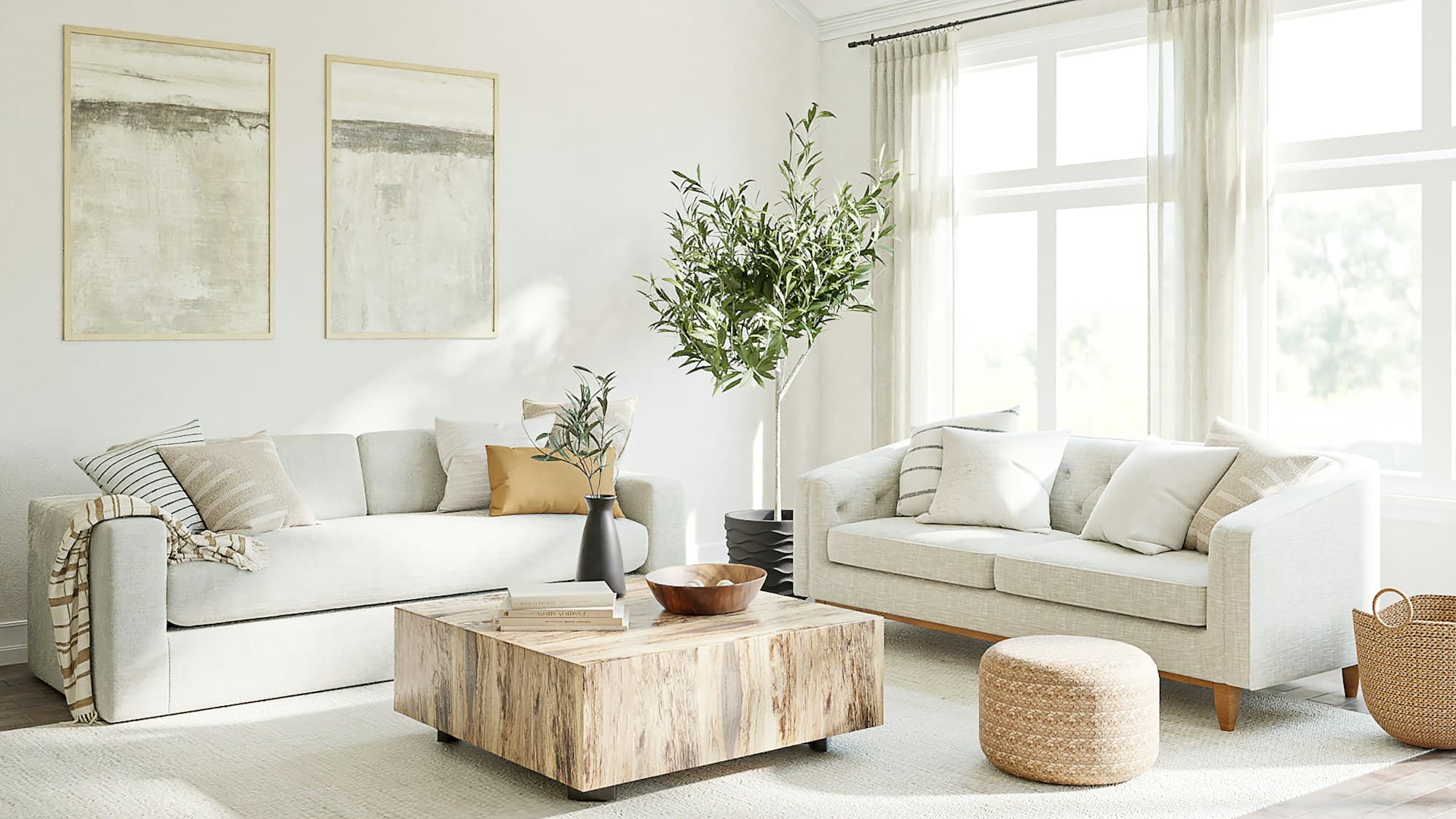
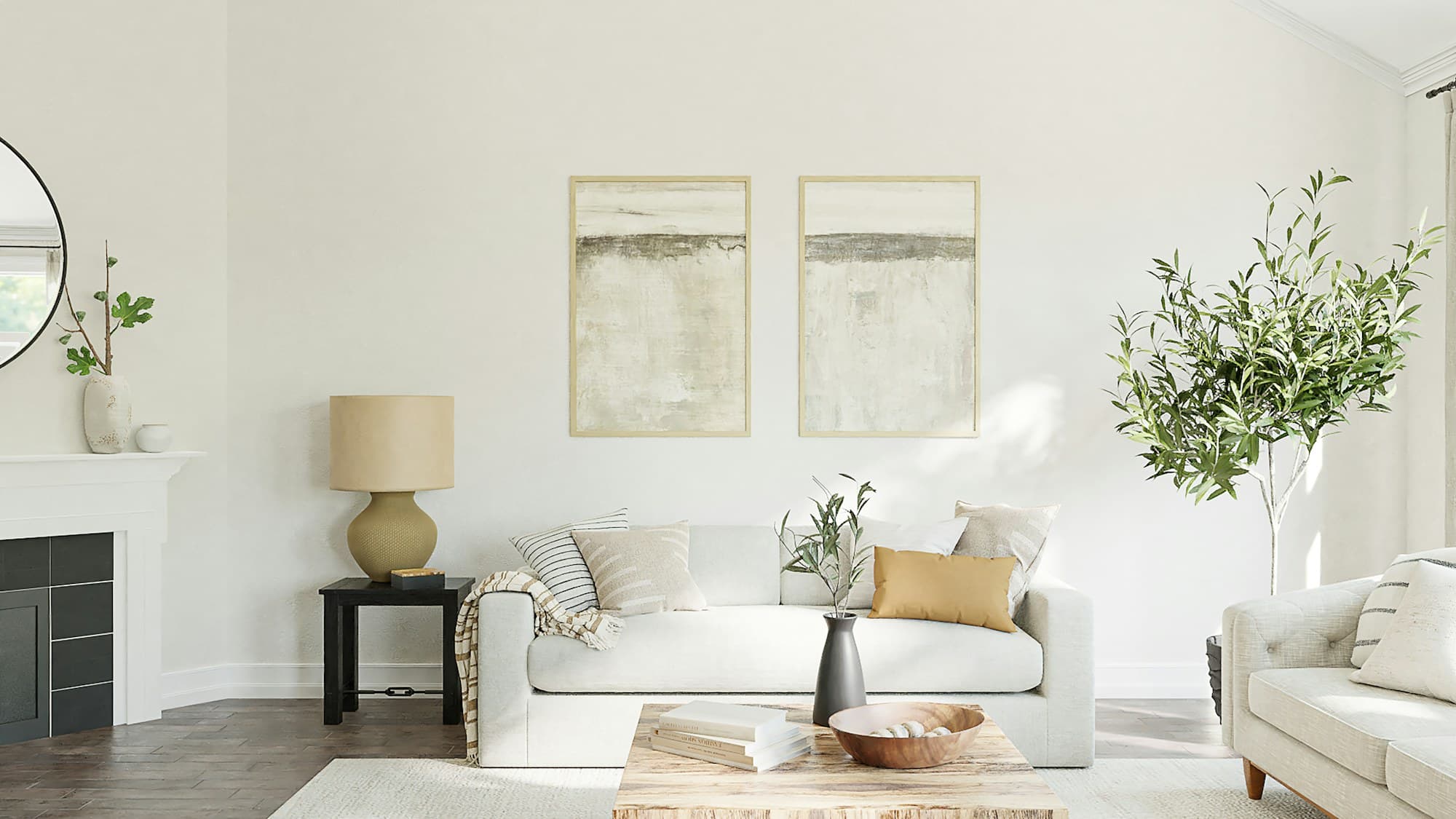
Floor plans deserve the same care. A legible plan, with dimensions, orientation and a clear scale, helps buyers picture themselves there better than a spectacular image. Digitally enhancing an interior, often called virtual home staging, has its place when it serves to give an idea of how a space could be furnished. It must remain credible: furniture to scale and lighting plausible for the home's actual exposure.
The show apartment and the showroom
Nothing replaces physical space. A show apartment, or failing that a showroom presenting the finishes, turns the promise into an experience. Buyers touch the materials, gauge the light, feel how the spaces flow. This is often where the decision is made.
The rule is the same as for the visuals: the show apartment must reflect the standard that will be delivered. Presenting fittings superior to those in the specifications sets up disappointment. It is better to show the actual level, while clearly indicating the options available and their logic. Transparency on this point builds trust that carries through the whole relationship, up to delivery and beyond.
The materials: brochure and dedicated website
The brochure remains the reference document that buyers take away and reread. It brings together the story of the project, the floor plans, a selection of visuals and practical information on the neighbourhood's surroundings and access. The quality of its production matters, but its value lies first and foremost in the accuracy of its content.
The dedicated website extends the brochure and serves different purposes. It keeps unit availability up to date, offers the floor plans for download and provides a simple point of contact. A clear website, quick to browse and honest about the progress of construction, serves the project better than a showcase overloaded with animations. The aim remains to make things easier to understand, without ever exaggerating.
Consistency, the thread running through the presentation
All this work rests on a single principle: consistency between the message and the reality of the property. The name, the visuals, the show apartment, the brochure and the website must tell the same story, that of the project as actually built. A buyer who finds on site what they were shown becomes an ambassador for the development. One who notices a gap will make it known, and the reputation of an edition is quickly made or lost in a place like Geneva, where buyers talk to each other.
Restraint does not impoverish the presentation; it makes it last. A fine presentation that stays faithful to the project ages well, because it has nothing to retract. This is also what protects the developer: every promise kept makes marketing the next developments easier.
Presenting a new development is an exercise in translation and truth. Marketing gives the project its visible form, provided it never strays from what the building will really be.
To showcase your development, let's discuss it with Stéphane Blatti: get in touch.
Architecte de formation, Tullio lit un bien par sa structure et son potentiel.
Contact Tullio